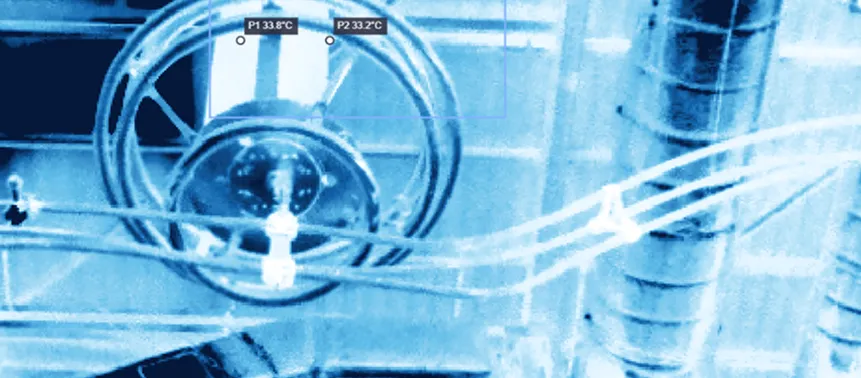
Thermal hotspots
Identifying temperature anomalies on critical components before they escalate into failures.

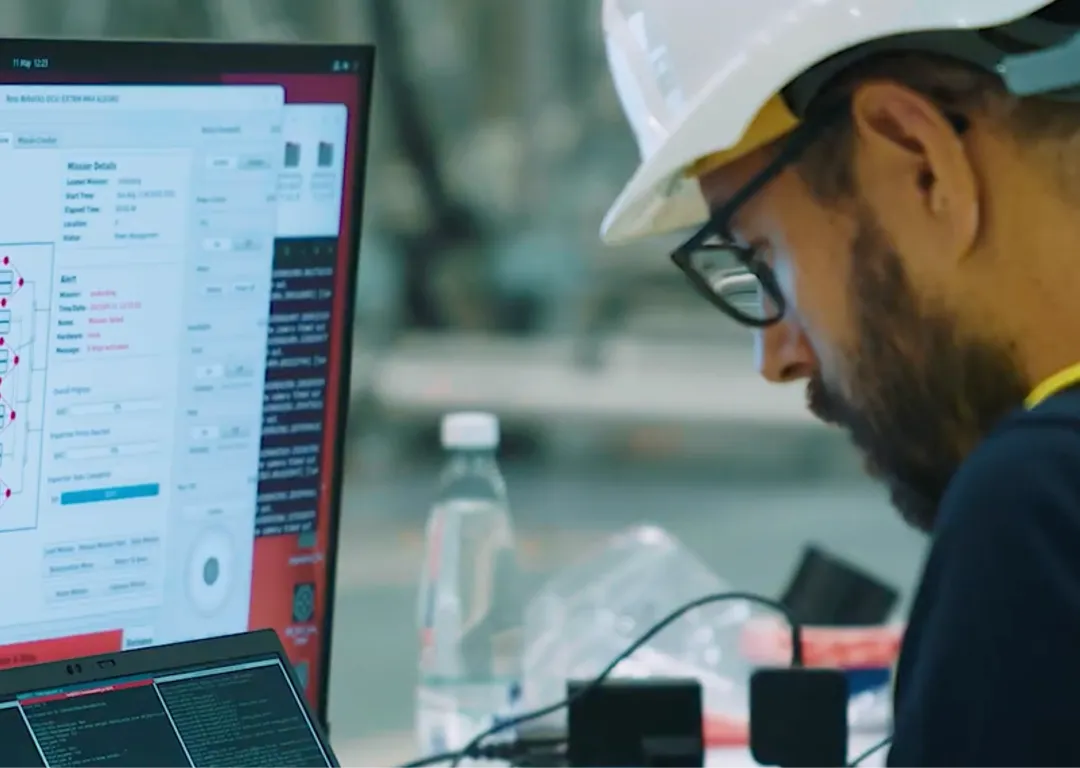
Ross Robotics operates autonomous platforms inside live, energised HVDC converter halls, working with some of the largest grid operators and energy technology companies in the world.
More than 20 live deployments across multiple countries, with platforms operating continuously for up to four years. Repeat engagements across our customer base are a consistent signal of trust in the platform and the data it delivers.
Real deployments generate real findings, not simulated scenarios. Examples from live inspections include:
Identifying temperature anomalies on critical components before they escalate into failures.
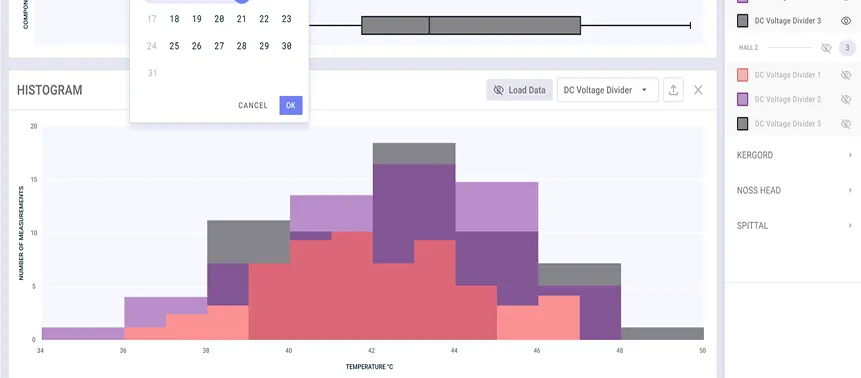
Temperature variance analysis across components and modules reveals anomalies at component, module and asset level, informing maintenance planning.
Spotting leaks invisible to fixed inspection methods, caught early through continuous thermal monitoring.
Identifying partial discharge on live connectors, a critical early indicator of insulation degradation.
Unplanned outages in high-voltage transmission infrastructure carry severe commercial and regulatory consequences, from multi-million euro daily losses to regulatory penalties tied to customer impact.
Continuous, autonomous inspection changes the nature of the problem. Instead of discovering a fault when it causes an outage, operators know about it in advance: what the issue is, where it is, and what needs attention.
That shifts maintenance from reactive to planned: a targeted intervention, scheduled and resourced in advance, with operators back up and running faster because the problem was identified in advance rather than diagnosed from scratch after the fact.
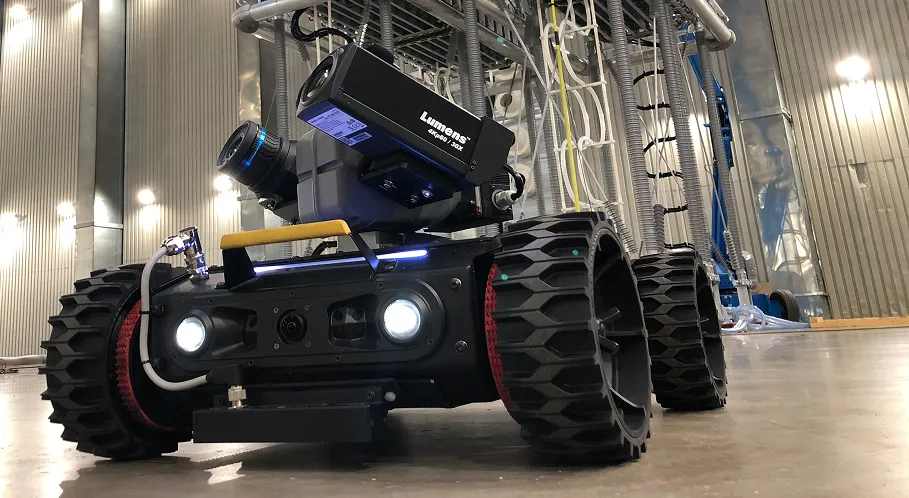
From live HVDC converter halls, to challenging environments including Chornobyl and the Large Hadron Collider at CERN.
Every deployment adds to a real-world dataset that no simulation can replicate, increasingly powering our predictive maintenance capability through AIDA.